
The Benefits of Scalp Micropigmentation for Women with Alopecia and Hair Loss

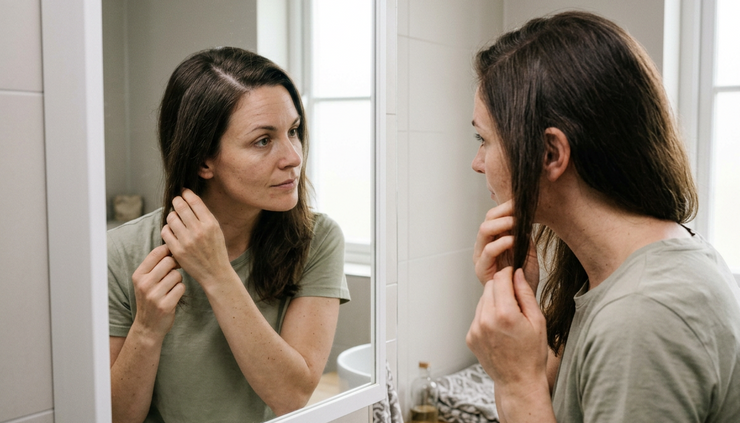
Hair loss can change the way a person feels in mirrors, photos, bright sunlight, and everyday moments that used to pass without thought. For many women, the hardest part is not only the shedding or thinning itself. It is the constant awareness of the scalp showing through, the effort of styling around sparse areas, and the worry that other people have noticed.
Scalp micropigmentation, often called SMP, offers a practical cosmetic option for women living with alopecia and hair loss. It does not grow new hair, and it is not a medical treatment for the cause of shedding. Instead, it uses tiny deposits of pigment in the upper layers of the scalp to create the look of fuller density, a softer hairline, or closely shaved hair follicles.
For the right person, the benefits can be significant. SMP can reduce visible contrast between hair and scalp, make thinning areas look denser, and restore a sense of control when hair loss feels unpredictable.
This article is general information only. Hair loss can have medical causes, so it is sensible to speak with a GP, dermatologist, or qualified health professional before choosing any cosmetic treatment.
How scalp micropigmentation works for female hair loss
Scalp micropigmentation is a cosmetic tattooing technique designed specifically for the scalp. At Alchemy SMP we use small, layered dots of pigment into the skin. The dots look like natural hair follicles or soft shadow between existing hairs.
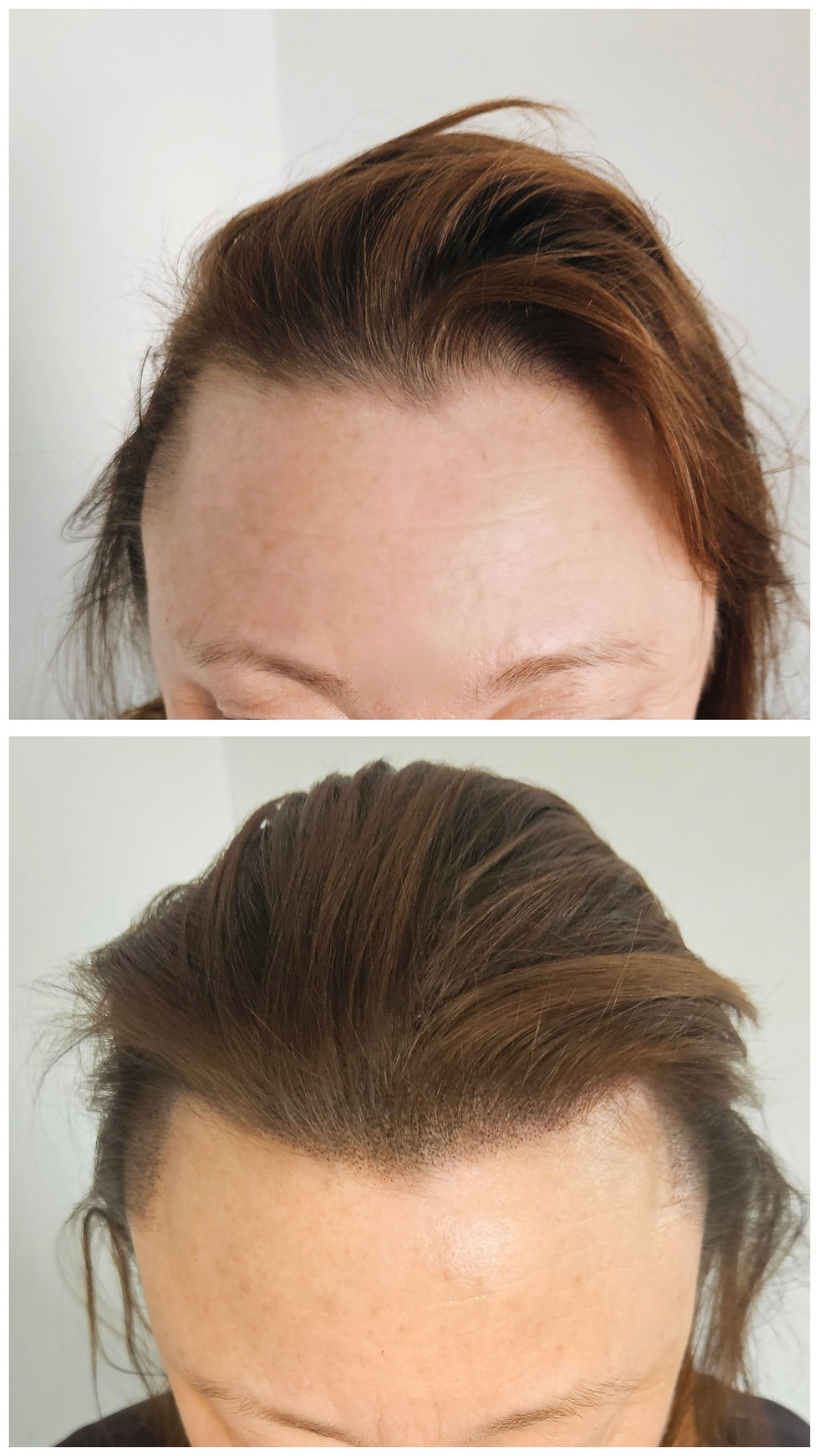
For women with thinning hair, SMP is often used differently than it is for men with a shaved head. The goal is usually not to create a fully shaved look. Instead, the treatment often focuses on density enhancement. Pigment is placed between existing hairs to reduce the pale scalp showing through.
This can be useful for several patterns of hair loss, including:
Diffuse thinning across the part line or crown
Widening part caused by female pattern hair loss
Patchy areas linked with alopecia areata
Thinning after illness, stress, childbirth, or hormonal changes
Visible scalp after hair transplant surgery
Stable scarring areas, if a medical professional has confirmed treatment is suitable
The best results come from careful colour matching and a natural design. At Alchemy SMP we assess your hair colour, skin tone, hair density, and how the hair is usually worn. The aim is subtle improvement, not an obvious cosmetic effect.
SMP usually takes more than one session. This layered approach helps build a natural look and allows the practitioner to refine the density over time. The scalp can look darker at first, then soften as it heals.
For women with alopecia, this gradual process can be reassuring. It allows the result to develop in stages rather than changing the appearance overnight.
The main benefits for women with alopecia and thinning hair
SMP is not the right answer for every type of hair loss, but it has clear strengths. Many of the benefits are practical, especially for people tired of daily cover-ups that smudge, shed, or need constant reapplication.
It can make thinning hair look fuller
The most common benefit is the appearance of improved density. When hair thins, the contrast between the scalp and hair becomes more visible. This is especially noticeable under bright bathroom lights, direct sun, camera flash, or when hair is tied back.
SMP reduces that contrast. By adding tiny pigment impressions to the scalp, the area can look less bare. Existing hair may appear fuller because the eye sees less exposed skin between strands.
This can be especially helpful around:
The part line
The crown
The temples
The frontal hairline
Patchy areas where regrowth is uneven
The change is visual rather than physical. The hair itself is not thicker, but the overall appearance can look denser.
It offers a non-surgical option
Some people explore hair transplants, medications, wigs, toppers, or platelet-based treatments. Each has a place, but not everyone wants or suits these options.
SMP does not involve surgery, grafting, or donor hair. There is no need to wait for transplanted follicles to grow. For many people, it is also less demanding than wearing hair systems every day.
Compared with surgical approaches, SMP is a much simpler procedure to achieve a thicker denser looking scalp.
It can work alongside other hair loss solutions
One of the strongest benefits of SMP is that it can pair well with other approaches. Some women use it with topical treatments recommended by a health professional. Others combine it with wigs, toppers, extensions chosen carefully to avoid traction, or post-transplant plans.
For example, a person who wears a topper may use SMP along the hairline or part to make blending easier. Someone with a transplant may use SMP later to soften any visible scalp between grafts.
This flexibility makes Scalp Micropigmentation for Women with Alopecia and Hair Loss Benefits a topic worth understanding before committing to more invasive choices.
Why the emotional benefits matter
Hair loss is not only cosmetic. It can affect identity, privacy, and daily confidence. Women are often expected to have thick, healthy-looking hair, which can make alopecia feel isolating or unfair. Even when others are supportive, the person living with hair loss may still feel exposed.
Alchemy SMP can help because it addresses the thing many people notice most, visible scalp.
That visual change may make everyday routines easier. A person might feel more comfortable wearing hair in a different part, standing under bright lights, going to the beach, exercising, or attending events without checking their hair constantly.
The relief can be quiet but meaningful. Less time spent hiding thinning areas can mean more energy for normal life.
Some women also choose SMP when alopecia has led them to shave their head. In this case, pigment can create the appearance of evenly distributed follicles, giving the shaved style more definition and balance. This can turn a choice that once felt forced into a look that feels intentional.
Confidence is not vanity. Feeling comfortable in one’s appearance can affect social life, work, relationships, and wellbeing. A good SMP result should support that feeling without pretending to cure the underlying condition.
What results can look like and what SMP cannot do
Good SMP should look natural at real-life distance. It should not appear like a block of colour or heavy makeup on the scalp. The dots should vary slightly in placement and blend with the natural direction and density of the hair.
For women with longer hair, the best result often looks like a shadow under the hair. People may not know what changed. They may simply notice that the hair looks less thin.
Still, expectations need to be realistic.
SMP cannot:
Stop active shedding
Regrow hair
Treat autoimmune alopecia
Replace lost hair volume or movement
Guarantee a permanent result without future maintenance
Hide every type of scar or scalp condition
Pigment can fade over time. Sun exposure, skin type, immune response, aftercare, and pigment depth can all affect longevity. Many people need touch-ups in future to keep the result fresh.
The colour can also heal differently depending on the skin. This is why a patch test, conservative design, and experienced practitioner matter.
If hair loss is still changing quickly, it may be better to wait, stabilise the medical cause where possible, or plan a design that can adapt. For scarring alopecia, active inflammation should be assessed by a dermatologist before any cosmetic tattooing.
Best suited to
People who want to reduce scalp contrast, soften patchy areas, or add the look of density between existing hairs.
Less suited to
People expecting new hair growth, major volume, or a one-session fix for active medical hair loss.

The treatment experience from consultation to aftercare
A thoughtful SMP process begins with consultation. This is where the practitioner reviews the pattern of loss, checks expectations, discusses medical history, and explains what can and cannot be achieved.
A good consultation should include:
A close look at hair density and scalp condition
Discussion of alopecia type if known
Colour and tone matching
A design plan for hairline, part, or crown
Clear explanation of sessions and healing
Advice on aftercare and long-term maintenance
Honest guidance if SMP is not suitable yet
The treatment itself can feel scratchy or mildly uncomfortable, but many people tolerate it well. Sensitivity varies across the scalp. Some areas, such as the temples or hairline, may feel more tender.
After treatment, the scalp may look red or slightly irritated for a short time. The pigment can appear darker before it settles. Practitioners usually give aftercare instructions that may include avoiding heavy sweating, swimming, direct sun, exfoliating products, and harsh hair products for a few days.
Following aftercare is not a small detail. It helps the pigment settle evenly and lowers the risk of irritation or poor healing.
Over the next sessions, the result is built gradually. This matters because natural female density work needs softness. Too much pigment too quickly can look heavy, especially on fair skin or in areas with fine hair.
How to choose the right SMP practitioner
The quality of the practitioner will shape the result more than any marketing promise. SMP on women requires a careful eye because longer hair, diffuse thinning, and changing hair loss patterns can make the work more complex.
Look for someone who can show healed examples, not only fresh results. Fresh SMP often looks darker and sharper than the final healed appearance. Healed photos show how the pigment settles over time.
Useful things to ask include:
How much experience do you have with female hair loss?
Can I see healed results for similar thinning patterns?
What pigments and equipment do you use for scalp work?
How do you choose colour for my skin tone and hair colour?
What happens if my hair loss progresses?
How many sessions are likely?
What aftercare do you recommend?
Do you carry out a patch test?
Clean technique matters. The treatment space should feel hygienic, calm, and organised. Needles should be sterile and single-use. The practitioner should explain infection control without sounding dismissive.
Trust also matters. A good practitioner will not pressure someone into booking on the spot. They will discuss limits, possible fading, and the need for touch-ups. They will also be comfortable recommending medical advice when hair loss appears sudden, inflamed, painful, or unexplained.
For many women, SMP is a personal decision. The right provider should treat it with care, privacy, and respect.

A steady way to regain control
Scalp micropigmentation can be a valuable option for women dealing with alopecia, thinning hair, and visible scalp. Its main benefit is simple but powerful. It makes hair loss look less obvious without surgery, daily powders, or waiting for regrowth that may not come.
The best results are subtle. They blend with existing hair, suit the person’s skin tone, and respect the natural pattern of the hairline and part. Alchemy SMP can support confidence, reduce styling stress, and work alongside other hair loss solutions.
It is still a cosmetic treatment, not a cure. The smartest next step is to understand the cause of hair loss first, then speak with us at Alchemy SMP to give you honest advice. When the timing, technique, and expectations are right, SMP can help turn visible hair loss into something far easier to live with.
Comments